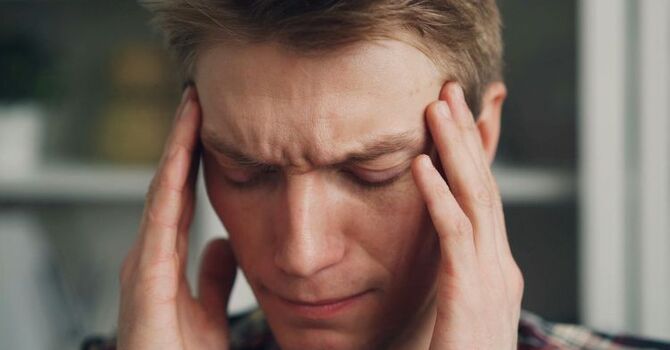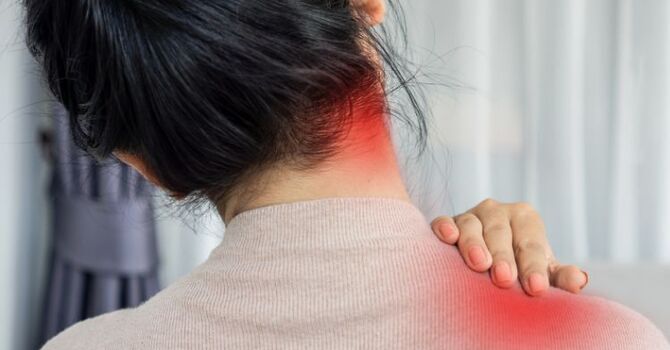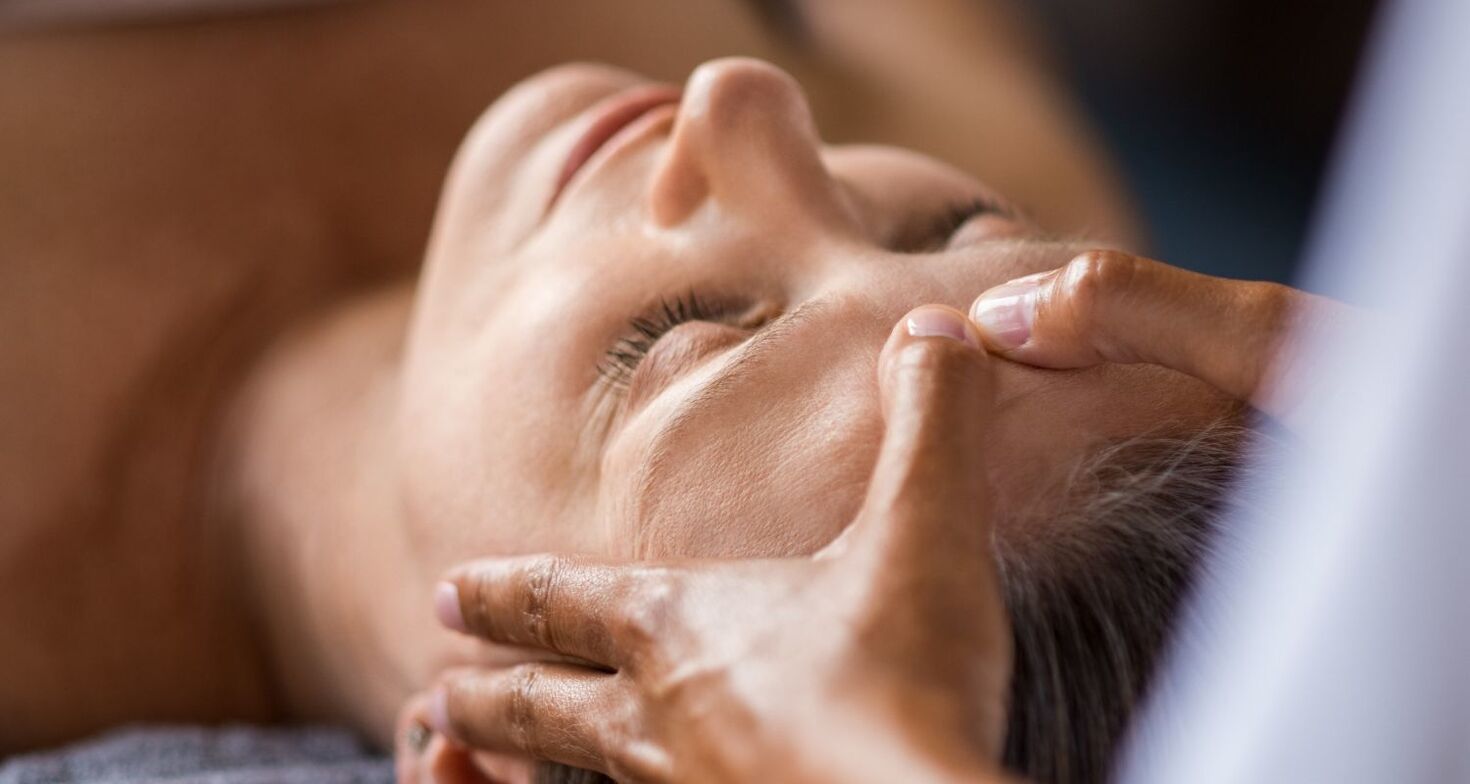
Headaches can disrupt your focus, drain your energy, and make even simple daily tasks feel overwhelming. Whether you’re dealing with a dull ache behind your eyes or intense pressure at the base of your skull, finding relief matters. That’s where headache massage comes in.
For many people, massage therapy offers a natural, effective way to reduce headache pain without relying solely on medication. When applied correctly, massage can help calm the nervous system, relax tight muscles, and improve circulation—key factors in headache relief.
In this article, we’ll explore how headache massage works, where to massage for headache relief, and how massage therapy can help with tension headaches, migraines, and even cluster headaches.
Why Do Headaches Happen?
Headaches can develop for many reasons, but muscle tension and nervous system stress are two of the most common contributors. Long hours at a desk, poor posture, stress, lack of sleep, and jaw clenching can all lead to tight muscles in the neck, shoulders, and head.
A tension headache, the most common type, often feels like a tight band wrapped around the head. Migraines, on the other hand, may involve throbbing pain, sensitivity to light, nausea, and neurological symptoms. Cluster headaches are less common but extremely painful, often occurring in cycles.
Understanding the cause of your headache is the first step toward choosing the right massage therapy for headaches.
Headaches After an Auto Accident and How Massage Can Help
Headaches are a very common symptom after a car accident—even when the collision seems minor. In many cases, accident-related headaches are caused by whiplash, neck strain, or soft tissue injuries that affect the muscles and joints supporting the head and neck.
After an accident, the sudden force of impact can strain the neck and upper shoulders, restrict joint movement, and irritate nerves. This often leads to tension headaches that begin at the base of the skull and travel toward the forehead or behind the eyes. These headaches may appear immediately or develop days later as inflammation builds.
Massage therapy for headache relief after an accident focuses on relaxing injured muscles, improving circulation, and reducing tension in the neck and upper back. By addressing the muscular component of post-accident headaches, massage can help relieve pressure on sensitive nerves and support the body’s natural healing process.
When combined with a broader care plan—especially chiropractic or rehabilitative care—headache massage can be an effective, natural way to reduce pain, improve mobility, and prevent accident-related headaches from becoming chronic.
How Headache Massage Helps Relieve Pain
Massage for headaches works by addressing both muscular and neurological factors. When muscles are tight, they restrict blood flow and place pressure on surrounding nerves. Massage helps by:
-
Relaxing tense muscles in the neck, shoulders, jaw, and scalp
-
Improving blood flow and oxygen delivery
-
Reducing stress hormones
-
Calming the nervous system
Massage therapy for headache relief doesn’t just treat symptoms—it helps correct the physical patterns that contribute to recurring pain.
Where to Massage for Headache Relief
Many people ask, where to massage for headache relief? While the answer depends on the headache type, several key areas are commonly involved.
Neck and Upper Shoulders
Tight neck and shoulder muscles are a major cause of tension headaches. Gentle pressure here can significantly reduce pain.
Base of the Skull
The muscles at the base of the skull often refer pain into the head. Releasing this area can relieve pressure and improve mobility.
Temples and Forehead
Light massage in these areas may help ease headache intensity, especially for stress-related headaches.
Jaw and Face
Jaw tension from clenching or grinding can trigger headaches. Massage here is often overlooked but very effective.
Knowing where to massage for headache symptoms can make a big difference in how quickly relief occurs.
Tension Headache Massage Therapy
A tension headache massage therapy approach focuses on reducing muscle tightness and calming the nervous system. These headaches are often linked to posture, stress, and repetitive strain.
Massage techniques commonly used include:
-
Slow, deep pressure to the neck and shoulders
-
Trigger point therapy to release tight muscle knots
-
Gentle stretching to improve range of motion
Many patients notice that consistent tension headache massage therapy not only reduces pain but also decreases how often headaches occur.
Massage Therapy for Migraines
Migraines are more complex than tension headaches, but migraines focused massage can still play an important role in managing symptoms.
Massage therapy for headaches related to migraines focuses on:
-
Reducing muscle tension that may trigger attacks
-
Improving circulation
-
Supporting nervous system regulation
While massage won’t “cure” migraines, it can help reduce their intensity, frequency, and duration for many people—especially when combined with other supportive care.
Cluster Headache Relief Massage
Cluster headaches are intense and often described as one of the most painful headache types. While massage alone may not eliminate them, cluster headache relief massage can help manage muscular tension and stress that may worsen symptoms.
Massage may:
-
Reduce secondary muscle tightness
-
Improve relaxation during headache cycles
-
Support overall nervous system balance
For those experiencing cluster headaches, massage therapy is often used as part of a broader care plan.
How to Get Rid of a Headache Naturally
If you’re wondering how to get rid of a headache without medication, massage therapy is one of the most effective natural options. Other supportive strategies include:
-
Improving posture
-
Staying hydrated
-
Managing stress
-
Getting quality sleep
-
Addressing muscle imbalances
Massage therapy for headache relief works best when these lifestyle factors are also considered.
Massage Therapy for Headaches vs. Self-Massage
Self-massage can be helpful for mild headaches, but professional massage therapy for headaches offers deeper, longer-lasting benefits. A trained therapist can identify patterns of tension you may not notice and apply techniques safely and effectively.
Professional care is especially beneficial if:
-
Headaches are frequent or worsening
-
Pain is linked to neck or shoulder tension
-
Headaches interfere with work or sleep
How Northwest Spinal Rehab Can Help
At Northwest Spinal Rehab, headache massage is part of a comprehensive approach to care. Rather than focusing only on where the pain is felt, treatment looks at why the headache is happening in the first place.
Care may include:
-
Targeted massage therapy for headache relief
-
Addressing postural or movement issues
-
Supporting spinal and nervous system health
This whole-body approach helps reduce headache frequency and supports long-term relief.
FAQs About Headache Massage
Is massage good for all types of headaches?
Massage is especially effective for tension headaches and stress-related headaches. It may also help manage migraines and cluster headaches as part of a broader care plan.
How often should I get massage therapy for headaches?
Frequency depends on how often headaches occur. Some people benefit from weekly care initially, then less frequent maintenance sessions.
Can massage make a headache worse?
Massage should never increase pain when done correctly. A trained therapist adjusts pressure and techniques to ensure comfort and safety.
Final Thoughts
Headaches don’t have to control your life. Whether you’re dealing with chronic tension headaches, migraines, or occasional stress-related pain, headache massage offers a natural, effective way to find relief.
By addressing muscle tension, improving circulation, and calming the nervous system, massage therapy for headaches helps treat the root causes—not just the symptoms. When combined with a personalized, whole-body approach, massage can play a powerful role in long-term headache relief.
If you’re looking for a natural way to feel better and stay headache-free, professional massage therapy may be the solution your body has been asking for.